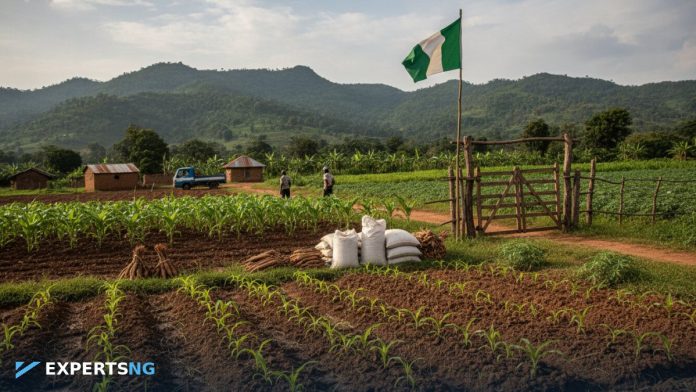


The Ekiti flood relief scheme has put fertiliser, seeds and agrochemicals into the hands of about 4,000 farmers, with the Federal Government delivering the support after floods damaged their farms, as reported by Punch. The support was delivered through NADF.
The farmers have welcomed the intervention. The inputs are meant to help them restore flood-damaged land and return to planting, which is the stage where many smallholders struggle most after a disaster because they lack the cash to buy supplies again.
This article explains what the Ekiti flood relief covers, what we do not yet know, and what farmers, traders, processors and agro-dealers can do in response. It is written for entrepreneurs and SME owners who want practical steps rather than headlines alone.
Key facts at a glance
Here is a quick summary of what has been confirmed about the Ekiti flood relief, and what has not.
| Item | Detail |
| Location | Ekiti State |
| Number of farmers reached | About 4,000 |
| Provider | Federal Government, delivered through NADF |
| Items supplied | Fertiliser, seeds and agrochemicals |
| Reason for support | Flood damage to farms |
| Farmers’ reaction | They have welcomed the intervention |
| Crops covered | Not confirmed in the report we reviewed |
| Quantity per farmer | Not confirmed |
| Communities reached | Not confirmed |
| Value of the package | Not confirmed |
| Eligibility and application process | Not yet announced |
What the Ekiti flood relief covers
The package has three parts. Each one addresses a different step in getting a damaged farm productive again.
- Fertiliser to help rebuild soil fertility on affected plots.
- Seeds so farmers can replant without buying fresh stock.
- Agrochemicals to protect the new crops.
The summary available to us does not give the crops covered, the quantity each farmer received, the communities reached or the value of the package. We have left those details out until they are confirmed.
Why inputs matter after a flood
A flood can wash away seed stock, strip topsoil and leave a farmer with no savings to start again. Buying fertiliser, seeds and chemicals at the same time is often beyond a smallholder who has just lost a season’s income.
Supplying the inputs directly removes the biggest cash barrier to replanting. It does not remove every risk, because weather, pests and market prices still affect the final harvest.
What the Ekiti flood relief means for Nigerian businesses
Flood losses on farms do not stay on the farm. They affect traders, processors, transporters and input sellers who depend on regular supply. Relief of this kind can help restart that chain, and there are practical points for small businesses to consider.
- Food processors and traders: If you buy from Ekiti farmers, speak to your suppliers about planting schedules. Farmers who replant sooner should be able to supply sooner, though harvest timing and volumes will depend on the crop and the weather.
- Agro-dealers: Free inputs for 4,000 farmers may reduce short-term demand from that group. Consider offering other services, such as advice, tools, packaging or storage, rather than relying on input sales alone.
- Farmers outside the scheme: Not every affected farmer will have been reached. Keep records of your losses, such as photographs, farm size and crops lost. These help if you later approach government agencies, cooperatives or lenders.
- Risk planning: Floods are a recurring threat to farm income. Think about where you plant, how you store produce and whether crop insurance is available to you. One round of relief should not be treated as a permanent safety net.
- Financing: If you need working capital to replant or expand, our guide on how to get capital for your business ideas sets out the options.
Farmers who organise into cooperatives or groups are generally easier for agencies and buyers to reach, so joining or forming one is worth considering.
Practical steps for each type of business
The Ekiti flood relief is a single intervention, but the questions it raises are useful for anyone whose income is tied to farming. Below is a plain guide to what each group can do now.
If you are a farmer
Start with your records. Write down the size of your farm, the crops you lost, the date of the flood and roughly what you spent on inputs. Take clear photographs of the damage if you still can.
Then plan your replanting around what you can control. Choose plots that drain well, prepare the soil properly and protect new seedlings from pests early. Good records and a clear plan make you a stronger candidate for any future support or loan.
If you buy from farmers
Ask your regular suppliers when they plan to replant and what they expect to harvest. Be honest about your own needs, including quantity, quality and delivery timing, so both sides can plan.
It also helps to line up a second source of supply. A single flood-hit region can leave you short, and having alternatives protects your customers. For businesses thinking about how to attract new investment into this space, see our piece on private investment in agriculture and five key openings for Nigerian SMEs.
If you sell farm inputs or services
Free inputs for a group of farmers can soften demand for a time. Think about what else your customers need that relief packages rarely provide, such as advice on soil and pests, small tools, storage, transport or packaging.
Building a reputation for useful, trustworthy advice keeps customers coming back even when input sales slow down. Customers remember who helped them in a hard season.
Ekiti flood relief checklist: what to do now
Use this checklist to turn the news into action. You can complete most of it this week without spending money.
- Record your losses: farm size, crops lost, estimated cost and photographs.
- Visit or call your local agriculture office and ask about current and future support.
- Speak to your farmers’ association or cooperative about registering your details.
- Check which crops suit your land and the coming season before you replant.
- Review how you store produce and whether you can protect it better from damp and pests.
- Ask whether crop insurance is available to you and what it would cost.
- List your working capital needs and compare lenders before you borrow.
- Keep copies of any documents you submit and note the date and name of the person you spoke to.
Who qualifies for Ekiti flood relief and how to apply
Details not yet announced. The summary we reviewed does not state the eligibility rules, how beneficiaries were selected, whether further distributions are planned, or any application portal or deadline. Farmers in flood-affected areas should ask their local agriculture office or their farmers’ association about future support.
Remember that genuine government support of this kind should not require you to pay anyone to be registered or considered. Use only official channels, and be wary of anyone who asks for money, or claims to be able to secure inputs for a fee.
How to spot a scam
Relief programmes attract fraudsters because many people are anxious to benefit. A few warning signs are worth knowing.
- Anyone who asks for a registration fee, a processing fee or a “thank you” payment.
- Messages that promise guaranteed inputs if you pay first.
- Links or phone numbers that you cannot confirm through an official office.
- Pressure to decide quickly or to keep the offer secret.
If in doubt, walk into your local agriculture office and ask in person. A genuine office will explain the process without asking you for money.
Planning for the next flood season
Relief helps a farmer recover, but it does not stop the next flood. Smart farm businesses build protection into how they operate, rather than waiting for help.
Reduce your exposure
Think about where on your land water collects and avoid placing your most valuable crops there. Raised beds, drainage channels and staggered planting can limit how much you lose in a single event.
Spreading your income across more than one crop, or adding a small processing or trading activity, also lowers your dependence on one harvest.
Protect what you store
Produce kept in damp or poorly sealed spaces spoils quickly. Raise stored goods off the ground, keep stores dry and ventilated, and use packaging that protects against moisture. Our article on product packaging and how it influences sales explains why good packaging also helps you sell at better prices.
Build a cash buffer
Even a small reserve set aside after each harvest can cover seed and basic inputs if disaster strikes. Cooperatives and savings groups can help you build this habit together.
Questions to ask your local agriculture office
When you speak to an official, clear questions get clearer answers. Consider asking the following.
- Is there a list or register of flood-affected farmers, and how do I get on it?
- Will there be further distributions of inputs, and who decides who receives them?
- Which documents do I need, and is there any cost involved?
- Are there training sessions, extension services or advice on flood-resistant practices?
- Which cooperatives or associations in my area are working with agencies like NADF?
Write down the answers and the name of the person who gave them. This makes it easier to follow up later.
Frequently asked questions
How many farmers received the Ekiti flood relief?
About 4,000 farmers in Ekiti State received fertiliser, seeds and agrochemicals from the Federal Government, according to the report we reviewed.
What did the farmers receive?
They received fertiliser, seeds and agrochemicals. These are meant to help them restore flood-damaged land and return to planting.
Who delivered the support?
The support came from the Federal Government and was delivered through NADF.
Which crops and communities are covered?
The report we reviewed does not say. We have not included those details until they are confirmed.
How do I apply for similar support?
Eligibility rules and any application process have not been announced in the report we reviewed. Ask your local agriculture office or farmers’ association about future support, and use official channels only.
Do I have to pay to be registered for relief?
No. Genuine government support of this kind should not require you to pay anyone to be registered or considered. Be wary of anyone who asks for money or claims to be able to secure inputs for a fee.
What should I do if I was not reached by the scheme?
Keep records of your losses, including photographs, farm size and crops lost. These can help if you later approach government agencies, cooperatives or lenders.
How can businesses outside farming benefit?
Traders, processors and transporters depend on steady farm supply. Relief that helps farmers replant can help restart that chain, so it is worth speaking to your suppliers about their planting plans.
The bottom line
The distribution to 4,000 Ekiti farmers is a positive step for flood recovery in the state. For farmers and the businesses around them, the useful response is to plan ahead: keep good records, stay in touch with local agricultural offices, and build some protection against the next flood season.
Source: punchng.com