

The BOI loan for SMEs is a new offer from the Bank of Industry (BOI) of loans of up to ₦10 million to eligible small businesses in rural and semi-urban communities, with the interest rate put at 5%, as reported by PM News Nigeria.
The offer is aimed at businesses outside the major cities, where access to affordable finance is often limited. The report’s summary does not spell out the full terms, so owners should confirm the details with BOI directly before acting.
This guide sets out what is known, what has not yet been announced and how to prepare. It is written for owners who want to move quickly without taking avoidable risks.
Key facts at a glance
Here is a quick summary of the BOI loan for SMEs, built only from what has been reported so far.
| Lender | Bank of Industry (BOI) |
| Maximum amount | Up to ₦10 million |
| Reported interest rate | 5% |
| Who it targets | Eligible small businesses in rural and semi-urban communities |
| Repayment period | Not yet announced |
| Eligibility criteria | Not yet announced |
| Deadline | Not yet announced |
| Official portal | Check BOI’s own website and verified social media pages |
| Source | PM News Nigeria |
Anything marked “not yet announced” should be confirmed with BOI before you build plans around it.
What this BOI loan for SMEs means for Nigerian businesses
A rate of 5% is far below what most small businesses pay on commercial loans or informal credit. If the 5% is an annual rate on the full amount, interest on ₦10 million would come to roughly ₦500,000 a year.
Treat that as a rough guide only, because the repayment period and how interest is calculated have not been confirmed in the material available to us.
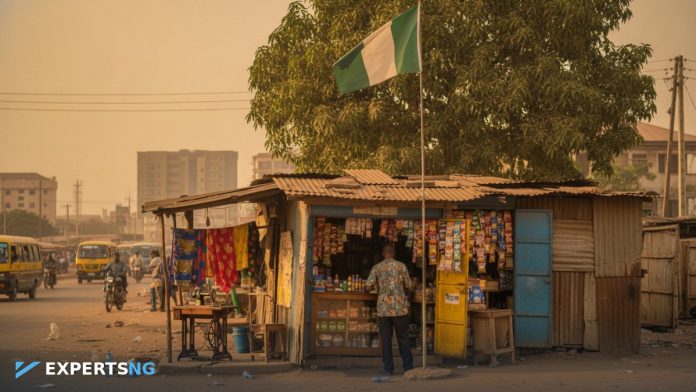
The focus on rural and semi-urban communities matters. Agro-processors, small manufacturers, tailors, bakers, cold-room operators and local service providers in smaller towns rarely get this kind of attention from lenders. Cheaper capital could help them buy equipment, raise stock levels or add production capacity.
Why cheaper capital changes the maths
The cost of borrowing sits inside every product you sell. When interest is high, a business must charge more or accept thinner margins to stay afloat.
Lower interest leaves more of each naira of profit in the business. That can be the difference between a firm that merely survives and one that reinvests and grows.
The benefit only appears if the loan is used for something that earns money. A machine that cuts production time, a cold room that reduces spoilage or extra stock for a busy season are all examples of spending that can pay for itself.
The risks to weigh up
There are risks too. A loan of this size only helps if the business can generate enough cash to repay on schedule.
Borrowing for a vague plan, or to cover running losses, can leave a small firm worse off. Before applying, work out what the money will buy, how much extra income it will produce and how quickly.
Also think about what happens if sales dip for a few months. A sensible borrower asks whether the repayments could still be met in a slow period.
Practical steps for owners now
You do not need to wait for every detail to be announced before getting ready. Preparation is free and will speed things up when the terms are confirmed.
- Check whether your business location counts as rural or semi-urban under BOI’s definition.
- Register your business with the Corporate Affairs Commission if you have not done so, since lenders usually want proof the business exists.
- Keep clear records of sales, expenses and bank transactions for at least the past year.
- Prepare a simple plan showing what you will spend the loan on and how you will repay it.
- Compare this offer with other options. Our guide to sources of funds and capital for small businesses in Nigeria can help.
Get your records in order
Lenders want evidence that your business is real and that cash comes in regularly. Separate your personal money from business money if you have not already done so.
Write down monthly sales and expenses, even if you have to rebuild them from bank statements, mobile money records and receipts. Our guide to bookkeeping for small businesses in Nigeria shows how to start.
Write a simple loan plan
A good plan does not need to be long. It should say what you will buy, how much it costs, how it will raise your income and how you will repay.
If you need help structuring it, see how to write a business plan that is truly a plan.
Keep your figures realistic. Lenders and your own cash flow will punish optimistic numbers.
Who qualifies for the BOI loan for SMEs and how to apply
Eligibility: The report says the loans are for eligible small businesses in rural and semi-urban communities. The specific criteria, such as business age, sector, documents or collateral, are details not yet announced in the material we have.
Amount: Up to ₦10 million, at an interest rate reported as 5%.
Deadline: Details not yet announced.
Official portal: Details not yet announced here. Readers should check the Bank of Industry’s own website and verified social media pages, or visit a BOI office, for the application process.
Questions to ask BOI directly
Because several terms are unconfirmed, it helps to go to BOI with a short list of questions. Write down the answers and keep a record of who gave them.
- How does BOI define rural and semi-urban for this offer?
- Is the 5% rate fixed or variable, and is it charged yearly on the full amount or on the reducing balance?
- How long is the repayment period, and is there a moratorium before repayments begin?
- What documents and collateral, if any, are required?
- Are there any fees, and if so, what are they for and who receives them?
- What is the closing date, and how long does a decision usually take?
How to avoid loan scams
Applications for government-backed funding should not cost you anything. Be wary of anyone asking for a processing fee, a “slot” payment or a commission to speed up approval.
Use only official BOI channels, and verify any link or phone number before sharing documents or personal details. If an offer arrives through an unknown WhatsApp number or a forwarded message, treat it as suspect until BOI confirms it.
Never share your bank PIN, passwords or one-time codes with anyone claiming to process a loan. A genuine lender will never need them.
Is the BOI loan for SMEs right for your business?
Cheap credit is attractive, but the best loan is the one you can comfortably repay. Ask yourself whether the spending will raise your income and whether you can cover repayments in a slow month.
Think about what you actually need the money for. A business that needs equipment, stock or space may benefit. A business that is struggling with weak demand may need to fix sales first.
Finance is only one part of growth. If you want ideas to lift income alongside any loan, see 5 creative ways to increase revenue for your business.
Because the terms are not fully clear yet, the sensible move is to prepare your paperwork now and confirm the conditions with BOI before you commit to any plan that depends on this loan.
Frequently asked questions
What is the BOI loan for SMEs?
It is an offer from the Bank of Industry of loans of up to ₦10 million to eligible small businesses in rural and semi-urban communities, with the interest rate reported as 5%.
How much can I borrow?
The reported maximum is ₦10 million. The report does not say what the minimum is or how the amount for each business will be decided, so confirm this with BOI.
What is the interest rate?
The interest rate is reported as 5%. How it is calculated and over what period have not been confirmed in the material available.
Who can apply?
The loans are for eligible small businesses in rural and semi-urban communities. The specific criteria, such as business age, sector, documents or collateral, have not yet been announced.
What is the deadline for applications?
The deadline has not yet been announced. Check BOI’s official website and verified social media pages for updates.
Where do I apply?
The official application portal has not been confirmed here. Use only the Bank of Industry’s own website, verified pages or a BOI office.
Do I have to pay to apply?
Applications for government-backed funding should not cost you anything. Be wary of anyone asking for a processing fee, a “slot” payment or a commission, and use only official BOI channels.
Should my business be registered?
Lenders usually want proof that a business exists, so registering with the Corporate Affairs Commission is a sensible step. Confirm BOI’s exact document requirements before you apply.
Where did this information come from?
It comes from a report by PM News Nigeria, linked in the article. The summary available does not give the full terms, which is why we recommend confirming details with BOI.
Source: pmnewsnigeria.com