Tag: customer satisfaction

  • 4 Ways To Solve Customers Pain Points and Problems

    4 Ways To Solve Customers Pain Points and Problems

    The ability to understand and solve your customers pain points is one skill that every business owner and entrepreneur must develop.

    Solving your customers problems is what every business tries to do and your ability to do it better than most of your competition, is what keeps you relevant in business.

    The customer is always right – That is one statement, which in most cases, spells the difference between a successful business and a not so successful one.

    With it in perspective, business owners assume that the customer often knows what he or she wants. The reality, however, is that though your customer are hardly seen as wrong, they may not always be right – They hardly ever know what they truly need. 

    All that a customer truly wants is to solve one or more customer pain points; it is your duty as a business owner to understand it, and also get it resolved.

    You must understand that your customers don’t often care about your products or services, but about the problems you are solving for them – Their pain points. 

    Your customers tie their loyalty to the value that you provide to them by identifying and solving their pain points and problems. And the customer experience that you give them is, in fact, a big part of what makes them loyal to your brand.

    As an entrepreneur, a business owner, a freelancer, or a small business consultant, your marketing efforts shouldn’t only target potential customers. Still, you should also focus on finding ways always to improve your customers’ last-mile delivery. Ensure that their entire experience from your marketing gigs, service delivery, and aftersales support, are all deliberately orchestrated to deliver top-notch customer-centricity. 

    Your customers tie their loyalty to your value proposition, and the problem-solving journey you take them through is a big part of what makes them loyal to your brand.

    When you solve your customer problems, you are not only solving their problems; you are creating an experience that helps to improve your brand’s equity and trustworthiness with your client.

    The challenge you have in meeting their needs is how you would identify their pain points; you have to know what their problems are to be able to solve them.

    This post is an expose on how you can find and solve your customers’ problems – Solving Your Customers Pain Points

    Understanding Your Customers Pain Points

    Identifying Customer Pain Points @MikeMarko1

    To understand your customers’ pain points, you must first understand the basic needs common to all customers, regardless of the market, or class. The seven primary needs of any customer are Empathy, Service, Choice, Price, Quality, Action, Appreciation, and Follow-up.

    Empathy: Every single customer that passes through your sales process wants you to feel their pains; they need you to understand things from their perspective and be human with your responses to their questions. Empathy is the one skill that every salesperson must-have.

    “I’m constantly blown away at how appreciative people are when they get human replies. Years of uncaring or even hostile support experiences have set the bar low for their expectations that they get excited by genuine answers.”

    –Micah Bennett, Zapier

    Service: Your customers want to feel special, and make them feel special, you must. Customers want excellent service – they expect that you would meet and surpass their needs.

    Choice: The need to have a choice to pick from is most pronounced in monetary transactions. As a business owner, you must understand that your customers do not want to be forced to make a decision based on scarcity. Every customer desires the satisfaction derived only through having options. Notwithstanding, customers do not appreciate being overwhelmed with too many similar options – they may end up not buying at all.

    Price: Your customers are always seeking prices that match their budgets; some would sometimes go for price over quality. You must ensure that you have a balance of quality and price by giving them lots of shopping choices.

    Quality: Most customers need excellent and durable products; they want their product or service to be top-notch. In most cases, customers would not question the price if the manufacturer provides high-quality products, especially when shopping a brand they trust.

    Action: Your customers need you to suspend whatever you are engaged with when you attend to them; they need you to act when they need your attention, especially when they have a problem. 

    Customers want to know that there is always someone ready to act when they need service.

    Appreciation: customers want to know that they are appreciated. To build a long-lasting relationship with customers, they have to be understood and appreciated for their individualities. Companies with excellent customer service have customers that outlive their projected customer lifetimes.

    Follow-up: You know that you need to follow up with prospective clients to close deals, but you often find that the customers that need your follow up are your existing customers. Customers want you to place that call to find out what their experience of your service or product is.

    One sure way to boost your revenues is to leverage effective after-sales follow-up of existing customers – it is a way to turn them into your brand ambassadors.

    Recommended: 5 Excellent Tips To Attract New Customers

    Understand Your Customers’ Points of View – How They View Their Pain Points

    Understand your customers
    Image Source: Quotefancy

    Great customer care involves getting to know your customers so well that you can anticipate their needs and exceed their expectations – MarketingDonut

    You can’t effectively serve a customer that you do not understand. And to understand your customers, you must be able to see things from their own points of view – their perspectives. 

    To understand your customers’ point of view, you have to accept that customers will have different opinions regarding your products or services.

    Therefore, as a vendor, the most crucial aspect of your business that you must handle is to ensure that you have a well-trained staff as a customer care representative. 

    That is your first task as a business owner; A role that you would have to play until you can employ someone to fill in the position. 

    In your journey as a business owner, you will encounter different types of buyers – buyers that are different from the buyer personas you created. 

    You will meet the straightforward customers, the impatient customers, and the almost impossible customers. What will stand you out as an excellent business owner or salesperson, is how you understand every one of them.

    Recommended: Understanding Product Trends

    You are also to understand the problems that are not related to your products or services. For example, you sell human hair, and a client complained about tangles after using the wrong product for wash and conditioning the hair. You should be able to find ways to explain why the products used by the customer damaged the hair, and not that your product was inferior quality.

    Identify Your Customers’ Pain Points.

    Identifying your customers’ pain points and proffering solutions to their problems puts you ahead of your competitors. Pain points vary and it depends on the type of market that you and your customers operate – B2B or B2C. The importance of identifying your customer’s pain points is to help you learn your customer’s specific challenges and to enable you to come up with a tailored solution to their problems – A win-win for everyone.

    In B2C marketing, pain points often involve improving consumers’ finances or level of productivity. In B2B, pain points typically revolve around streamlining internal processes or providing critical operational support – always with an eye on improving the bottom line – Source: BAI

    Identifying The Pain points of a B2C Customer

    A crucial success factor in marketing is your ability to learn what challenges your customers intend to solve with your product or service, and then fine-tune your value proposition (what you offer) to provide an excellent solution.

    So many of us have had issues while using some products and services, we didn’t really know how to relate those issues to the vendors, but the vendors figured out what the problems were and regained our faith in their products or services. If you are a business owner, a sales agent, or you interface with consumers at any point in the customer value chain, it is crucial that you learn to identify problems even when the customers cannot properly explain.

    Being equipped to identify your customers pain points and proffering solutions makes you a super-brand. You can achieve this by doing the following:

    • Study The Industry
    • Talk To Customers
    • Ask Relevant Questions
    • Act on Feedback and Reviews

    4 Ways To Solve Your Customers Pain Points

    1. Study The Industry

    To learn about consumer pain points, it’s important to study the industry which you are interested in.  This can be accomplished in many ways. Some combination of research in the following areas can give you a good idea of the current pain points trying to be addressed in your niche.

    • Read trade publications
    • Join trade associations
    • Attend conventions and seminars involving your industry
    • Follow thought leaders in your industry via social media

    Doing all the above will quickly give you a picture of pain points that have been addressed, those companies are currently trying to address, and insight into possible pain points in the near future.

     It is crucial to study the industry which you are interested in to learn about common pain points of consumers there, and you accomplish that in many ways. A careful study into the under listed areas can give you a good idea of such common pain points that customers try to address.

    • Join trade unions
    • Read trade newsletters and publications where available
    • Attend industry-specific conventions and seminars
    • Follow thought leaders and influencers in your industry

    Doing all the above will help you get a feel of some pain points that are common in your industry: those that have been addressed, the companies that addressed them, who is doing what, etc. Above all, networking with other players in your industry will give you insight into possible pain points in the near future.

    Recommended: How To Improve Sales Through Excellent Customer Service

    2. Talk To Customers

    Another sure way to understand your customers pain points is to call your customers and have a short interview with them. During the call, avoid leading (yes or no) questions to enable you to gain insights into the customers’ problems. A simple Yes and No answer would leave you in the dark on why they chose their answers.

    3. Ask Relevant Questions

    Maximize open-ended questions to give room for the customer to say precisely how they feel about the problems. Enure to ask service impact-focused questions to find out if your products or services have been meeting their needs and ask of ways you may better serve them. Such questions could be:

    • How do you see your needs changing post-COVID-19 pandemic?
    • What are your necessities from this deal should it happen?

    4. Act on Feedback and Reviews

    One thing many businesses have in common is asking customers for reviews they don’t review or use. When you ask for reviews, endeavor you create time to go through them, and be particular about the negative reviews. The negative reviews show there are things you are not doing right, so work on finding the roots of your customers’ problems.

    Remember that reviews taken seriously can give your business a new sense of direction, help you to reposition your business, and make you more strategic about content marketing.

    Identifying The Pain points of a B2B Customer

    If your prospects don’t have business pain, they have no need. And without need, there’s no hope for a sale. It’s up to salespeople to ask effective sales questions and uncover business pain as quickly as possible.

    Conduct qualitative research by asking your customers essential questions:

    • Ask them to explain their problem the best way they can.
    • Ask when the problem started and if the problem had occurred before.

    Use their answers to the questions asked to identify the root cause of their problem. Note that it is fine not to have immediate responses to their inquiries, but take time to provide the right solutions. It’s better to take longer than to dish out the wrong answers quickly.

    Conclusion: Customers are more likely to stick with the business they have built a good rapport with than trying out other solution providers. Customers understand that problems are a part of every business; they come to you because they need solutions to their pain points and do not care about the processes you take to provide adequate solutions – they just want to ease their pains. And their loyalty, therefore, lies with the provider that takes conscious steps towards consistently providing them with excellent solutions when needed.

    Suggested

  • How To Find Customers For Your Tailoring Business

    How To Find Customers For Your Tailoring Business

    Honestly, customer acquisition is no easy feat. It is a journey – one that begins with understanding your customers; understanding your target audience is the first of your strategy implementation. Your strategy must then dive deeper into understanding their needs and why they would love to buy from you as against your competitions.

    ExpertsNG

    How do I get customers for my tailoring business?

    Acquiring and retaining customers regularly is what every company needs to keep its business running, and a tailoring/sewing outfit is not an exception.

    Alhough, acquiring new customers may sound easy and straightforward, but trust me, it can be incredibly challenging to find opportunities in today’s saturated fashion design business world, especially if you are new in the industry.

    In the fashion world, if you do not tweak your marketing strategies often to enable you to stay updated with the ever-changing trends, you may struggle to acquire customers and may not be able to retain those that you have.

    I have put together a list of strategies a tailoring outfit can implement to acquire and retain customers effectively.

    For clarity, I have also structured these tips into two broad categories – Acquisition and Retention strategies.

    Related article: How To Start Successful Tailoring and Sewing Business in Nigeria

    Customer Acquisition Strategies

    1. Keep abreast of trends and master your art

    The tailoring/fashion industry is art-centric, with every single piece made – a craft on its own.

    In what better way might an artist hope to acquire customers than to hone in on the right skills that help in the creation of the art. As a tailor or fashion designer, your priority is to master your skills to the level that your users, customers, and prospects identify and associate with your work, even when no label is affixed.

    2. Price – Do Not Overcharge Or Compromise On Quality

    Only put a price in front of your customers when you understand what is motivating them, or what value is, for them.

    Olufemi Akinyemi

    Finding and charging the right price is essential to winning new customers over. Price is the second of the 4Ps. The first perception or statement some clients would make most times are rhetorical – asking “hope your charges are not on the high side”. Depending on your brand equity and customer experience, most customers would naturally believe that you have overpriced your services.

    It is therefore reasonable not to overcharge your clients as the motive first is to pull them in to love your brand enough to want to come back a second time. Once you pull them in, you would only have a chance at making them your brand ambassador. There is hardly any opportunity to make a second first impression, especially with the price of your products and services. Stay within an acceptable price range when dealing with customers, especially a new one.

    3. Get Your Products Seen – Promote Your Products

    Product promotion is at the heart of marketing. Advertisements, social media marketing, content marketing, search engine marketing, email marketing, video marketing, and other known marketing efforts all depend on a well planned-out promotional campaign.

    A tailoring outfit must stand out from the competition by any means to stay relevant and competitive. And the best way to stand out, is to stand out – BE SEEN.

    Get Your Products Seen - Promote Your Products
    • Advertise On Social Media: Without a doubt, the most effective means of advertisement these days due to technological advancement in this era is the use of the social media space. It is true because that is where the majority of your prospects spend their time and can be reached by your advertisements – An average person spends about 2hr:30mins on social media, daily.
    • Leverage influencers in the social media space: Listen, I am not referring to any influencer outside your circle of influence – please find influencers within your area and use them. A brand promotion from a known social media influencer in the fashion space would go a long way in getting you seen by your prospects—leverage such influencers to promote your brand on Twitter, Instagram, and Facebook. Offer to make them a dress and, in return, ask them to put out a word or two to promote your brand. Ask them to show your products to their friends, and if possible, ask for a photograph too.
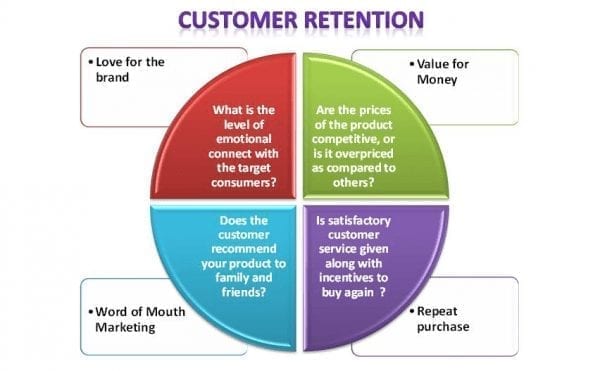
    • Engage Word of Mouth Marketing: Another means of advertisement that works perfectly in the fashion industry is – Word of Mouth Marketing. Testimonials from past clients, especially those customers that have converted to become your brand ambassadors would go a long way in getting you more customers – use it.

    Place: You Must Have A Brand Website As Part of Your Tailoring Strategy

    In the marketing mix, the process of moving products from the producer to the intended user is called place. In other words, it is one of the places where your customers reach your products; one of your tailoring strategy is to have a well defined domain name, one that easily notify your intending customers that you are a tailor.

    Moreso, you could also invest in a physical outlet – A showroom would do you some good in combination to your normal tailoring workshop.

    In this era of hypercompetitive retail practices, as well as the constant need to meet the increasing demands of fickle and fragmented consumers, it is important to find ways to keep your products at their reach at all times.

    Talking about reach, there is no other men’s currently available to you as an entrepreneur than to build and maintain a brand website for your business.

    A well structured and functional tailoring brand website can definitely help you with your customer retention drive. It is a very good way to acquire and maintain customers for your tailoring business.

    4. Do Not Compromise On Quality

    The quality of service you render should never be compromised in any way, as this is the basis on which you get a multiplier or ripple effect of customers trooping in.

    The quality of a design you produce would advertise itself no matter where it goes.
    Imagine the feeling your customer gets when they step into a gathering, and they get series of compliments of how lovely their outfit looks, it’s such feeling that brings a customer back to patronize you over and unrepentantly advertise your brand.

    5. Build Engagement And Earn Trust

    To win clients over and successfully retain them, you must establish some level of trust, and this trust can be built by continually engaging them in a way that they see your potential ability when it comes to fashion ideas, design, and execution.

    By continually showing up and giving little advice or suggestions about new fashion trends or ideas, this would attract more people to you and want to do business with you.

    A follow-up call after you have delivered your clients’ clothes to the appropriate destinations is another strategic way of building a long-term successful relationship with customers.

    Send a note of thanks for their patronage, call to check up on them, strike a conversation by calling to know how they are faring and rocking the designs you made for them, request to do a pick up if necessary and look for an opportunity to continue building a stronger relationship that can lead to referrals on a long run.

    In fact, a good relationship with your customers will also be to your favour during any inevitable hiccups like late delivery, poor service delivery such as errors in stitches, ironing, etc.

    6. Promotional Offers And Giveaways

    Promotional offers could be used as a strategy to attract new customers and also to retain existing ones. This gives a prospective client an idea to want to seize the opportunity to patronize you and have a feel of your services while existing customers are always looking forward to another amazing prize to be won on your business account

    Giveaway offers such as:

    • sew 5 designs for the price of 3
    • we sew your 3rd design for free
    • half the charge of your 1st design is on us
    • give a percentage off as commission to customers that win you referrals

    A catchy statement like this would make a client want to patronize you as their mind is being compelled to take advantage of the offer.

    Testimonials and Recommendations

    This can be put to effective use in acquiring more customers, all you need to do is get your already served customers to give a visual or written testimonial for you to use as a tool for advertisements. The more testimonials people get to see and hear from your past clients would give your prospective customers the feel of confidence to give their cloth to you for sewing.

    Make sure your branded packaging form of delivery is also something that would wow your clients as this is the first thing they see when you go to deliver their attires back to them, and this alone could be captivating enough to make them give a powerful testimonial of your service.

    It is, therefore, important that you activate a promo offer to them for this little kind gesture in appreciation for their feedback.

    Customer Retention Strategy for A Tailoring Outfit

    Customer retention is another effective marketing strategy or tactic a fashion outfit can use to put its brand name in the mind of its customers.

    Keeping a steady flow of returning customers is equally as important as acquiring new customers. Here are the tips you need as a growing fashion outfit to expand your business reach, more of an how to promote your sewing business guide.

    1. Offer Home Service Delivery

    To successfully acquire new customers and retain the existing ones, you need to offer home delivery service to clients, most especially those that are too busy to drop by for pick up.

    But before you deliver their clothes to their respective houses or offices, ensure that you get their clothes properly ironed and packed, Also, ensure that you are constantly meeting deadlines or target days to boost your reliability index with your customers.

    2. Take Note Of Clients Special Days

    Have a client’s database records where you keep the details of their measurements and attached to this would be special days in their life and occasions, this is not just for record purposes but to be able to keep track using a reminder to wish them on these special days.

    You can as well go the extra mile by sending them appreciation notes, gifts, cakes to felicitate on their special days. It would help the customer build a strong bond with your brand and thereby referring and returning to engage your service as a retained client.

    Such minor acts help to promote your sewing business.

    3. Give Room For Partnership

    In order to earn more business dealings as a fashion designer, it is imperative that you leverage your social network to seek partnership with willing investors.

    This brings to memory an event that occurred during my university days – A customer who also was the school nurse gave me a very juicy offer – her offer, though tasking of me, brought one of my major breaks with my side hustle.

    With her offer, I had to mass-produce clothes for a choir group on a regular basis. The partnership was great; she kept bringing in the orders while I fulfilled them and I had no reason to go in search of customers

    4. Work On Self-Development To Catch Up On Latest Trends

    As we all know that fashion design is the act of applying aesthetics, accessories, and tailoring clothes to project or enhance the beauty of your subject or client. Therefore, to be on top of your game at all times, you must do all possible to keep abreast of happenings in the industry – learn and perfect the current trends per time.

    Always make yourself relevant in the fashion world by going for training regularly, reading journals, and fashion magazines to be abreast of the latest trend.

    It is no longer news that new trendy designs come out on a daily basis as new fabrics hit the market. Knowing everything about this would help you, and knowing something about all other aspects of fashion will pave the way for you to the point that no question or design from your prospect would catch you unprepared.

    This way, you would be able to retain your clients as they have an assurance that you are not just up to date on fashion trends but also up to the task.

     5. Strong Customer Service Approach

    This is a very important point that could keep your customers coming back for more; from the moment they initiate an inquiry, down to the point of payment and to delivery of the service you must ensure that your customers’ experience is well guided to keep them comfortable enough to become repeat customers.

    In a nutshell, being the first line of contact, your customer service department must be top-notch; trained, and equipped well enough to place a premium on every call that comes in.

    The ease of doing business birthed by your well-trained customer service department would give your customer an assurance that you have a system that works – that alone would keep them happy enough to be loyal ambassadors of your brand.

    Furthermore, it would be easy for your When your business is expanding through additional customers added to your customer base, you need to employ competence and qualified staff to help facilitate better and fast service delivery so as to meet up with customer demand.

    For ease of access and client’s confidence-boosting, always be on time. But when the time isn’t possible, build a rapport enough to be able to quickly notify your clients beforehand.

    6. Increase Your Production Capacity When Needed

    A major mistake that is common to most players in the fashion industry, especially the not so experienced tailors, is that they often outsource their jobs to less experienced tailors when they have their hands full.

    As the founder of the tailoring outfit, it is natural that your customers associate you with your brand in person. What you should do is to first find a way to separate yourself from the business, especially with the order taking tasks.

    Tailor your customer journey to each unique customer
    Photo by malcolm garret from Pexels

    Get your customer to become comfortable with your employees; when feasible, stand back and let them take the measurements of your clients while you watch. With time, your customer would get comfortable with your employees and that would free up time for you. Having done that, it would become easier for you to increase capacity when the need presents itself.

    7. Ask For And Act On Feedback

    Ask For And Act On Given Feedback

    One important aspect of customer retention that is often neglected is asking for feedback. Ensure that you always ask your customers for feedback – spend that little extra on a 5 minutes call to your customers and ask how they feel about every aspect of your service. Be sure to listen as they take you through their experience while you served them. Improving every bit of their experience the next time they come calling, is a sure way to move them from satisfied customers to become loyal customers.

    Must Read: How To Improve Sales Through Excellent Customer Service